

Sunstripe Solar

LA
Vernon Parish and Rapides Parish

550
MW
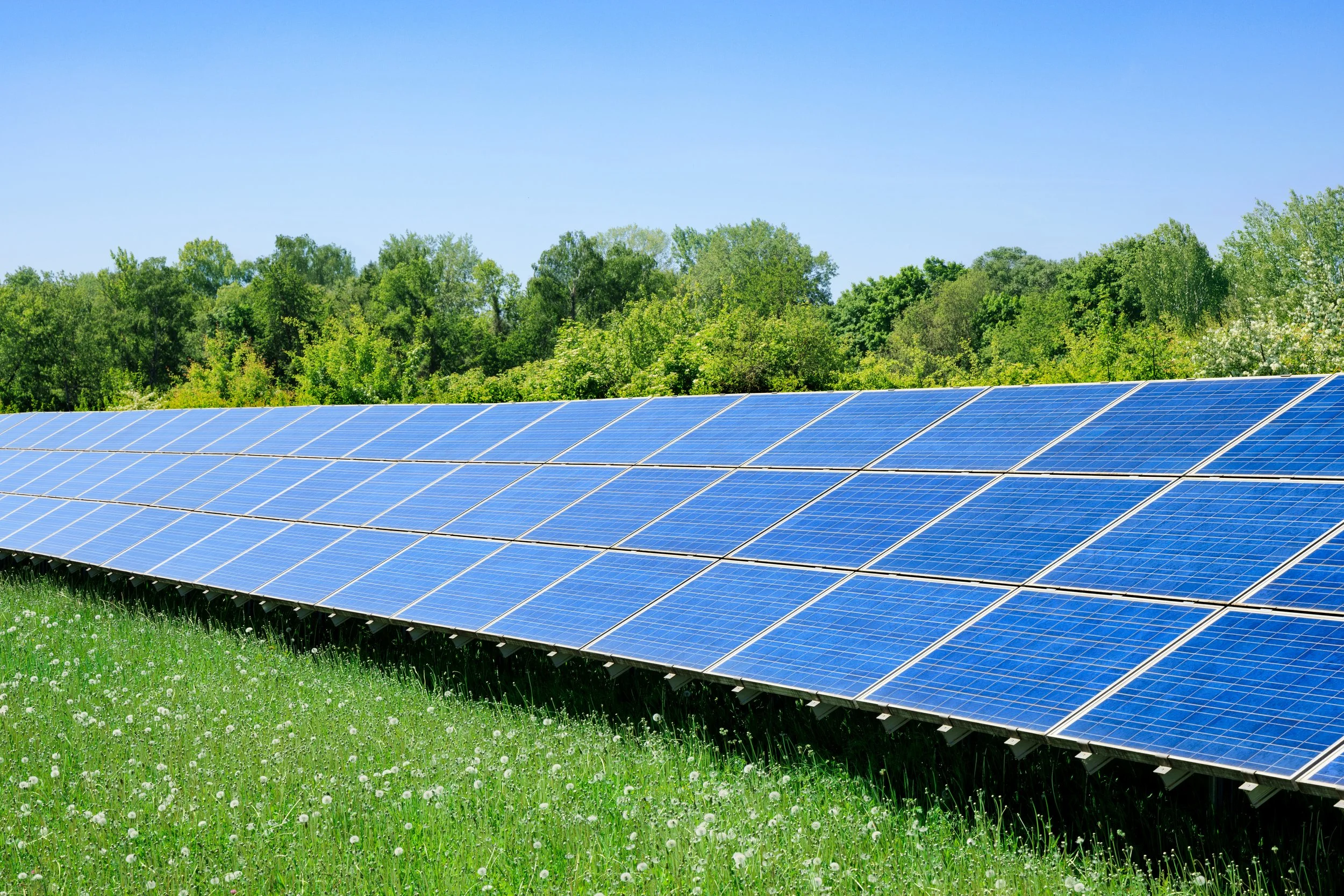
Image is similar to the site but not actual. The project has not started construction.
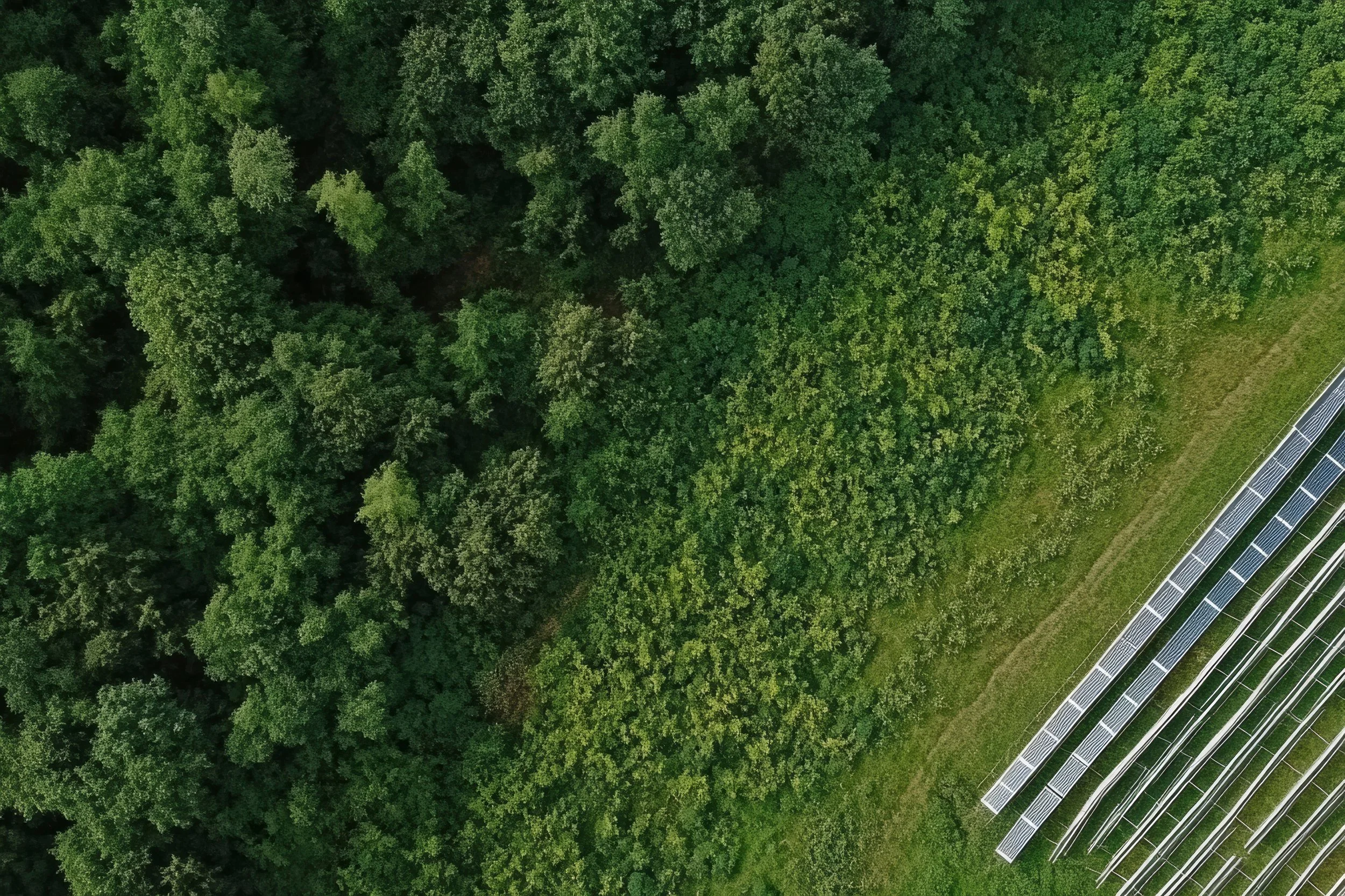
Image is similar to the site but not actual. The project has not started construction.
Sunstripe is a proposed utility-scale solar project planned primarily on commercially managed timberland.
The project is being developed in two phases and will connect to the Hineston Substation through an approximately eight-mile generation-interconnection line. The current schedule anticipates beginning construction in 2028, subject to completion of all required approvals.
Sunstripe remains under development. Final design, acreage, clearing, buffers, and environmental measures are being planned in accordance with federal, state, and local regulations. Economic impact figures are still being reviewed and will reflect the final project acreage.
Estimated Project Status
Our Approach
Being a good neighbor means more than building a safe and responsible project. It means operating transparently, sharing information openly, listening to community feedback, and creating meaningful opportunities for community engagement throughout the life of the project.
Treaty Oak does not require or enter into non-disclosure agreements with public officials because we believe communities deserve access to information and meaningful opportunities for engagement.
As a front-of-the-meter project, Sunstripe will deliver electricity to the existing power grid to help meet regional energy needs. We look forward to being an active partner in Vernon and Rapides Parishes and, with an anticipated operating life of more than 30 years, remaining accountable to the community for decades to come.
The Site
Privately Owned Land
Sunstripe Solar is proposed on privately owned land in Vernon and Rapides Parishes. Landowners have voluntarily chosen to lease their property while retaining ownership of the land.
Setbacks & Screening
The project currently includes setbacks from nearby homes, roads, and neighboring properties. Vegetative screening, including native trees and foliage where appropriate, is intended to help blend the project into the surrounding landscape.
Existing Land Use
The project is proposed primarily on existing timberlands used for silvicultural management and harvest activities.
Project Features
Located entirely on privately-owned land
Proposed as a solar-only project
Does not include carbon capture and storage
Is not a data center
Environmental Stewardship
Sunstripe Solar is subject to rigorous environmental review and permitting requirements and is being developed through multiple environmental studies, federal and state agency coordination, and ongoing site evaluation.
Project planning considers:
Land, water, and wildlife resources
Traffic and road use
Stormwater management and drainage
Construction activities
Site access and infrastructure
Where impacts are identified, applicable avoidance and mitigation measures will be implemented in accordance with federal, state, and local regulations.
Safety & Engineering
The safety of the local community is a top priority for Treaty Oak.
Utility-scale solar facilities use certified equipment tested to recognized safety and reliability standards. Sunstripe Solar will be designed and constructed in accordance with applicable industry standards and regulatory requirements.
Treaty Oak also works with local emergency responders and develops site-specific emergency response planning as projects advance toward operation.
Frequently Asked Questions
What is a solar farm?
A solar farm is a large collection of solar panels installed on open land to generate clean electricity from the sun. The power is usually sent to the electric grid to serve the needs of the regional utility and its customers.
Why was the project location chosen?
The site was carefully selected for its strong solar potential, landowner interest, and access to existing grid infrastructure.
Is Sunstripe really going to be covered with 10,000 acres of panels?
No. The project boundary submitted as part of the U.S. Army Corps of Engineers review was intentionally larger than the currently anticipated project footprint to avoid resubmittal. This approach provides flexibility as the design evolves, allows us to avoid and minimize environmental impacts, and helps reduce the need for multiple rounds of Corps permitting. Treaty Oak is committed to being a good steward of the land while providing much needed energy for Louisiana and its communities.
While project design, land availability, and technology selections are still being finalized, we expect the final project footprint to be smaller than the boundary shown in U.S. Army Corps of Engineers materials. In addition, not all acreage within the project footprint will be covered by solar panels. Solar facilities include space for roads, equipment areas, drainage features, setbacks, buffers, wetlands, and areas where existing vegetation may remain, as well as spacing between panel rows.
Based on the current layout and design assumptions, we anticipate approximately 3,500 to 5,500 acres will have installed solar panels.
How is wildlife protected?
The project is going through rigorous environmental review and will follow the regulations and guidance issued by multiple agencies, including the US Fish & Wildlife Service and Louisiana Department of Wildlife and Fisheries.
Our normal process is to use species experts to survey the site, identify sensitive areas and species, avoid impacts where possible, and work with the appropriate agencies on any required protections or mitigation.
We proactively work to avoid impacts beyond regulatory requirements and evaluate a range of measures that may be appropriate based on site-specific conditions, agency feedback, and identified resources. Examples can include avoiding work during certain nesting seasons, implementing construction best management practices, conducting pre-construction wildlife sweeps, creating exclusion areas, incorporating wildlife-friendly fencing, maintaining wildlife corridors, and using pollinator-friendly plants for revegetation and reseeding.
Are the panels designed for hurricanes, high winds, and hail?
Yes. Commercial solar panels and their support systems are tested for wind, hail, and other weather conditions, and project foundations are designed for the conditions at the specific project site.
Treaty Oak's projects use tracker systems that automatically move panels into protective positions when severe weather is forecasted. For example, during hail events, panels can be rotated to a steep angle to help minimize potential damage. For high winds, including hurricanes, the system can reposition panels based on weather conditions to reduce stress on the equipment and lower the risk of significant damage. The system responds to weather data automatically and does not depend on anyone being on site.
Could the project affect drainage or increase runoff?
The project is being carefully designed to manage stormwater and maintain natural drainage patterns during major rain events including the 100-, 200-, and 500-year storm events.
Detailed studies have been completed to evaluate how water moves across the site today and how it is expected to flow once the project is built.
The current proposed design exceeds Louisiana's stormwater management requirements for water detention capacity.
During construction, the project will operate under a Stormwater Pollution Prevention Plan and an Erosion Control Plan that include proven best management practices to help prevent sediment from leaving the site and protect nearby streams, wetlands, and other water resources.
Have more questions about the Sunstripe Solar project?
Contact Us!
We believe in building strong relationships with our community members. Do you have questions or concerns about this project?
Use the form below or email us directly at sunstripe@treatyoakcleanenergy.com
updated September 2026